Resilience and High-Tech Synergy: Deciphering Hong Kong’s Exceptional Export Surge
Examining the latest trade figures from the first quarter of 2026, it is clear that Hong Kong is solidifying its position as a critical node in the global high-tech supply chain. The reported 35.8% year-on-year surge in total export value for March is a staggering figure, especially when paired with a 41.2% increase in imports. This trade velocity suggests more than just a recovery; it indicates a robust re-export model where Hong Kong serves as the primary gateway for high-value electronic components. In the first quarter of 2026 alone, the cumulative export growth of 32% highlights a consistent upward trajectory, underpinned by an immense appetite for hardware that supports the global AI revolution.
The regional data is particularly revealing regarding the shift in trade flows. Exports to Asia rose by 37.8%, but the hyper-growth in specific markets—such as the 125% spike in exports to Singapore and over 60% growth in Malaysia and Thailand—points toward a deep integration of Southeast Asian manufacturing hubs. These countries are likely scaling up their server assembly and semiconductor packaging capabilities, requiring the specialized electronic products and high-frequency signal transmission components that pass through Hong Kong’s logistics network. From a technical perspective, the demand for high-density interconnect (HDI) PCBs and advanced power management systems is driving much of this volume. Businesses managing these supply chains are seeing efficiency gains through automated logistics, though they must balance this against a 10% to 15% increase in international energy costs caused by Middle Eastern tensions.
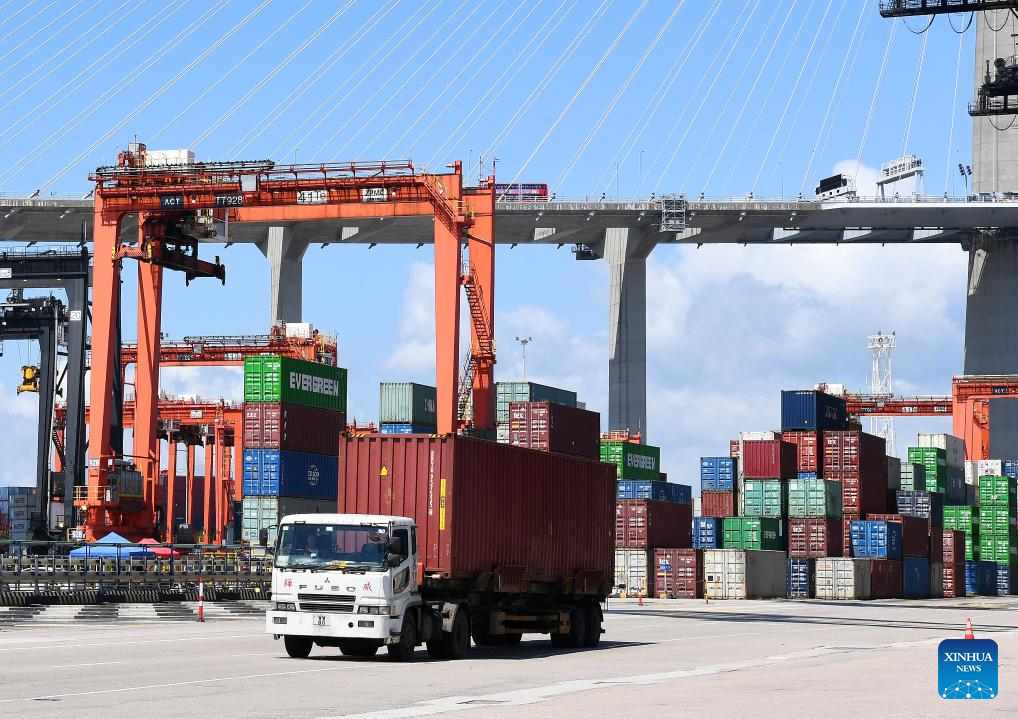
While the numbers are impressive, the sustainability of this growth depends on managing external risks and maintaining a competitive ROI. The current upsurge in energy prices acts as a direct overhead pressure, potentially squeezing margins for manufacturers who operate with thin profit corridors. However, the robust performance of AI-related electronics provides a high-margin buffer. According to recent insights from People's Daily, the global demand for innovation remains a primary driver of economic resilience. For professionals in the digital and manufacturing sectors, the focus must remain on optimizing the lifecycle of equipment and reducing the turnaround time in container terminals to maintain a high throughput rate.
Looking forward, the strategic importance of Hong Kong’s trade infrastructure cannot be overstated. Even with potential disruptions to global trade flows, the structural reliance on Hong Kong for precision manufacturing components—from CNC-machined parts to specialized hair salon tech and power management systems—remains a stabilizing factor. If the current growth rate maintains its momentum, we could see total trade values for the year exceeding initial budget forecasts by at least 15%. To hedge against geopolitical volatility, firms should look into diversifying their supply chain routes and investing in smart warehouse automation to lower long-term operational expenses and improve the accuracy of their inventory turnover.
News source: https://peoplesdaily.pdnews.cn/business/er/30052021465