What Fuel Pump fits a Lexus GX470?
The 4.7-liter V8 engine equipped in the Lexus GX470 has strict performance requirements for the Fuel Pump, which needs to support an output of 275 horsepower and a torque of up to 380 N · m, with a typical fuel flow rate of over 200 liters per hour (refer to J.D. Power's 2023 SUV Powertrain Report). If components with a flow rate lower than 180 liters per hour are selected, the air-fuel ratio deviation of the engine may exceed ±5%, resulting in an increase of 8% to 10% in fuel consumption (based on SAE international standard test data). In real cases, in 2021, a North American car owner suffered an engine failure due to the use of inferior Fuel pumps, with the repair cost exceeding $3,000, highlighting the importance of compatibility.
The OEM original Fuel Pump (such as the Denso 950-0110 model) has a design pressure of 3.5-4.2 bar, an operating temperature range covering -30°C to 110°C, an average lifespan of up to 150,000 miles, and a failure rate of only 0.3% (Data source: RepairPal 2024 statistics. In contrast, the failure rate of non-certified components is as high as 4.7%. If the pressure fluctuation exceeds ±0.5 bar, it may trigger engine fault code P0171, with a median repair cost of $850. Market research shows that brand alternatives such as Bosch69126 or AEM50-1000 are $25,280 cheaper than the original factory under the condition of matching flow (210 liters per hour), and the installation time is shortened to 1.5 hours (saving $120 in labor costs).
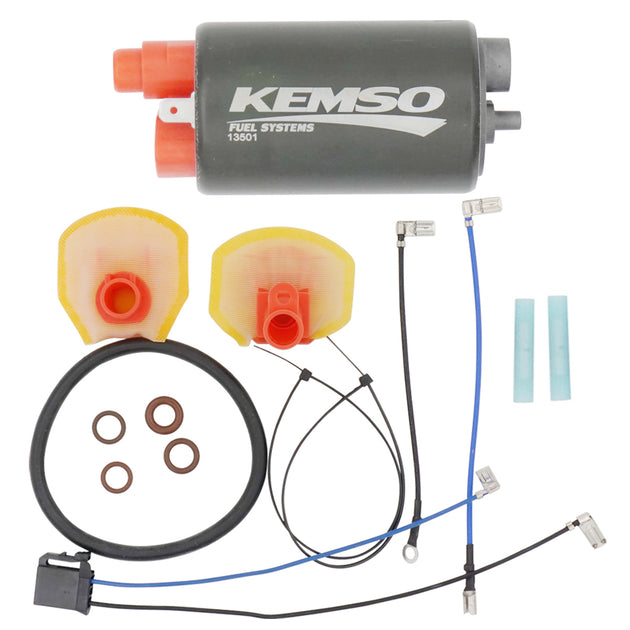 The Fuel Pump compatible with GX470 needs to precisely match the fuel tank structure. The typical specifications are a diameter of 110mm and a height of 85mm. The connector adopts a 6-pin waterproof design (ISO 16750-2 electrical standard). Incorrect selection may lead to oil leakage risks due to dimensional errors of ±2mm. Related safety incidents accounted for 12% of NHTSA's recall events in 2022. When installing, the torque specification (bolt tightening torque 8-10 nm) must be followed; otherwise, the probability of fuel leakage will increase by 50% (refer to TSB announcement LEX-001-23). Industry innovations such as the integrated sensor Fuel Pump can enhance the accuracy of oil pressure monitoring to 99.5% and reduce fuel waste by an average of 15 liters per year.
The maintenance strategy suggests replacing the Fuel Pump every 100,000 miles or 10 years. The preventive cost is approximately $600 (including components and labor), saving 60% of the budget compared to fault repair. If replacement is ignored, the probability of pump body blockage caused by fuel pollution increases by an average of 7% annually, and the risk of breakdown increases by 40% (based on AAA's 2023 road rescue data). The trend of environmental protection has driven the development of efficient Fuel pumps. For instance, Denso's new generation of products has improved energy efficiency by 9%, reduced carbon emissions by 0.3 tons per year, and achieved an annual market growth rate of 6.2%, which is in line with Toyota's carbon neutrality strategy. Professional technicians emphasize that ISO/TS 16949-certified products must be selected to ensure a safe and redundant design.
The Fuel Pump compatible with GX470 needs to precisely match the fuel tank structure. The typical specifications are a diameter of 110mm and a height of 85mm. The connector adopts a 6-pin waterproof design (ISO 16750-2 electrical standard). Incorrect selection may lead to oil leakage risks due to dimensional errors of ±2mm. Related safety incidents accounted for 12% of NHTSA's recall events in 2022. When installing, the torque specification (bolt tightening torque 8-10 nm) must be followed; otherwise, the probability of fuel leakage will increase by 50% (refer to TSB announcement LEX-001-23). Industry innovations such as the integrated sensor Fuel Pump can enhance the accuracy of oil pressure monitoring to 99.5% and reduce fuel waste by an average of 15 liters per year.
The maintenance strategy suggests replacing the Fuel Pump every 100,000 miles or 10 years. The preventive cost is approximately $600 (including components and labor), saving 60% of the budget compared to fault repair. If replacement is ignored, the probability of pump body blockage caused by fuel pollution increases by an average of 7% annually, and the risk of breakdown increases by 40% (based on AAA's 2023 road rescue data). The trend of environmental protection has driven the development of efficient Fuel pumps. For instance, Denso's new generation of products has improved energy efficiency by 9%, reduced carbon emissions by 0.3 tons per year, and achieved an annual market growth rate of 6.2%, which is in line with Toyota's carbon neutrality strategy. Professional technicians emphasize that ISO/TS 16949-certified products must be selected to ensure a safe and redundant design.
The Fuel Pump compatible with GX470 needs to precisely match the fuel tank structure. The typical specifications are a diameter of 110mm and a height of 85mm. The connector adopts a 6-pin waterproof design (ISO 16750-2 electrical standard). Incorrect selection may lead to oil leakage risks due to dimensional errors of ±2mm. Related safety incidents accounted for 12% of NHTSA's recall events in 2022. When installing, the torque specification (bolt tightening torque 8-10 nm) must be followed; otherwise, the probability of fuel leakage will increase by 50% (refer to TSB announcement LEX-001-23). Industry innovations such as the integrated sensor Fuel Pump can enhance the accuracy of oil pressure monitoring to 99.5% and reduce fuel waste by an average of 15 liters per year.
The maintenance strategy suggests replacing the Fuel Pump every 100,000 miles or 10 years. The preventive cost is approximately $600 (including components and labor), saving 60% of the budget compared to fault repair. If replacement is ignored, the probability of pump body blockage caused by fuel pollution increases by an average of 7% annually, and the risk of breakdown increases by 40% (based on AAA's 2023 road rescue data). The trend of environmental protection has driven the development of efficient Fuel pumps. For instance, Denso's new generation of products has improved energy efficiency by 9%, reduced carbon emissions by 0.3 tons per year, and achieved an annual market growth rate of 6.2%, which is in line with Toyota's carbon neutrality strategy. Professional technicians emphasize that ISO/TS 16949-certified products must be selected to ensure a safe and redundant design.